


Beginner’s Guide to Mutual Funds in India – Start Smart, Grow Your Money
Beginner’s Guide to Mutual Funds in India – Start Smart, Grow Your Money
Thinking about investing your money but not sure where to begin?
Mutual funds are a good starting point for many people in India.
They are simple to understand, easy to start, and suitable for long-term goals like buying a home, planning retirement, or saving for your child’s education.
Mutual funds invest your money in a mix of shares, bonds, and other instruments.
These investments are managed by professionals, so you do not have to track markets every day.
Over time, mutual funds help your money grow with less stress than buying individual stocks on your own.
1. What Are Mutual Funds?
A mutual fund collects money from many investors.
This pooled money is then invested in different assets such as:
The key benefit is diversification.
Instead of putting all your money into one company, your investment is spread across many.
This reduces risk and improves stability over the long term.
Mutual funds are suitable for beginners as well as experienced investors.
2. How Many Mutual Funds Should You Buy?
There is no fixed rule, but most experts suggest 5 to 7 mutual funds are enough.
Why not more?
A balanced mix usually includes:
Fewer, well-chosen funds make investing simple and manageable.
3. Should You Invest Monthly or All at Once?
There are two common ways to invest:
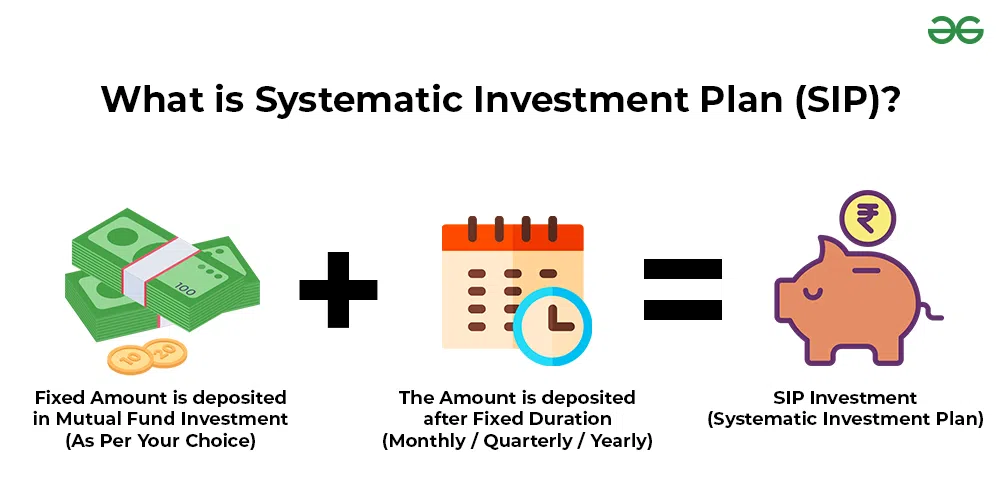
Monthly SIP (Systematic Investment Plan)
You invest a fixed amount every month.
Lump Sum Investment
You invest a large amount at one time.
For most beginners, SIP is safer and easier to manage.
4. Can Mutual Funds Help You Save Tax?
Yes.
ELSS (Equity Linked Savings Scheme) funds offer tax benefits under Section 80C.
Key points:
ELSS is suitable for long-term investors who want tax savings along with growth.
5. Can You Invest Together With Someone?
Yes.
Mutual funds allow joint holding with up to three people.
This is useful when investing with:
Joint holding helps in smooth ownership transfer and better financial planning.
6. Planning Multiple Goals?
Mutual funds allow you to invest for many goals at the same time, such as:
For each goal, decide:
Choose funds based on each goal, not one fund for everything.
7. Importance of Goals and Planning
Before investing, ask yourself:
Clear goals help you stay calm during market volatility.
Good planning prevents panic selling and improves long-term returns.
8. A Simple Path to Begin


Follow these simple steps to start:
Final Thought
Mutual funds are not quick-money schemes.
They are meant for long-term wealth creation.
With proper planning, regular investing, and patience, mutual funds can help you grow your money steadily and reach your financial goals with confidence.
Review once a year
Avoid frequent changes.
Start SIPs
Small monthly investments build discipline.
Choose the right funds
Equity for growth, debt for stability, hybrid for balance.
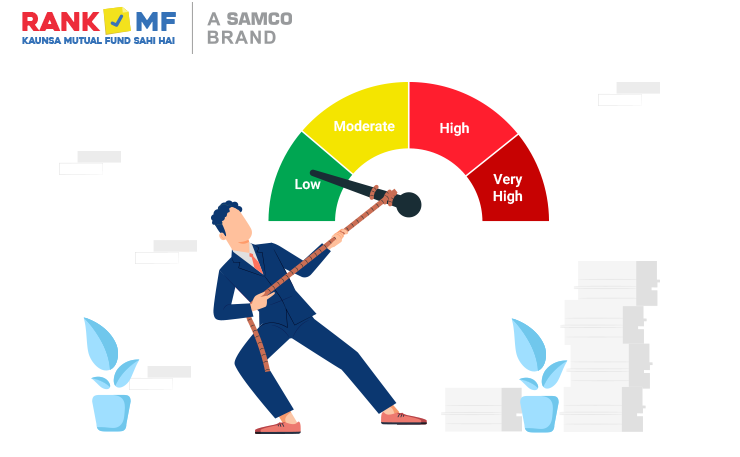
Check your risk appetite
Conservative, moderate, or aggressive.
Set clear financial goals
Home, retirement, education, or travel.
Can I handle market ups and downs?
When will I need this money?
Why am I investing?
Monthly investment amount
Risk you can take
Time available
Retirement
Children’s education
Foreign travel
Buying a car
Family members
Spouse
Invest mainly in equity
Lock-in period of 3 years
Tax deduction up to ?1.5 lakh per year
Works better when markets are stable
Suitable when you have surplus money
Reduces market timing risk
Builds discipline
Ideal for salaried investors
Hybrid funds for balance
Debt funds for stability
Equity funds for growth
Overlap reduces efficiency
Many funds may invest in the same companies
Too many funds are difficult to track
A mix of both
Debt (bonds and fixed-income instruments)
Equity (company shares)